
Understanding Legal Notice in India: What It Is and Why It Matters
Introduction
In India, a legal notice is often the first step before initiating formal legal proceedings. Whether it’s a landlord-tenant dispute, an unpaid loan, or a breach of contract, sending a legal notice is a crucial way to resolve conflicts peacefully and give the other party a fair chance to respond. Yet, many people are unaware of its importance and process.
What Is a Legal Notice?
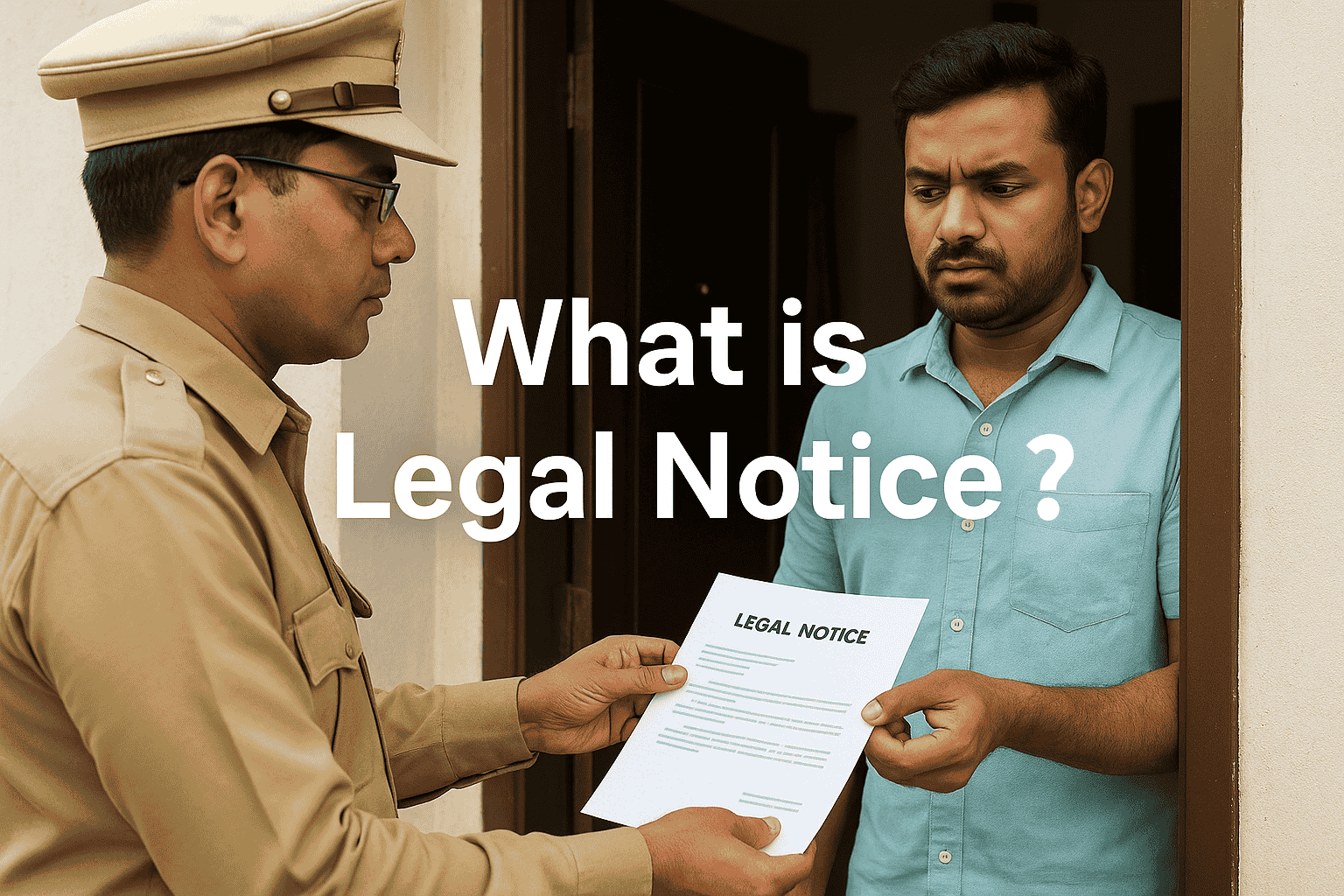
A legal notice is a formal written communication sent by one party to another, warning them of legal action if certain conditions are not fulfilled. It is usually sent through a lawyer and acts as an official intimation before filing a case in court. The notice explains the sender's grievances and offers a chance to settle the issue without going to trial.
When Should You Send a Legal Notice?
A legal notice is not required in every case, but it’s often used in civil matters such as:
- Property disputes (e.g., eviction or illegal possession)
- Recovery of outstanding dues or loans
- Breach of contract or agreement
- Consumer complaints or service disputes
- Employment-related issues such as wrongful termination
Sending a legal notice can prevent unnecessary litigation and may lead to a mutual settlement between the parties.
Format and Contents of a Legal Notice
A well-drafted legal notice should include the following:
- Name, address, and contact details of the sender and recipient
- Detailed facts and background of the issue
- Specific reliefs or demands being made
- A reasonable time frame to respond (usually 15 to 30 days)
- A clear warning of possible legal consequences if not addressed
Legal notices are usually written on the letterhead of an advocate and sent via registered post or courier for tracking purposes.
Why Legal Notices Matter
Legal notices are valuable for three key reasons:
- Documentation: They serve as official proof that you tried to resolve the matter amicably before approaching the court.
- Time to Respond: They give the opposite party a chance to rectify the issue without going to court.
- Strong Message: They signal seriousness and may push the other side to act quickly to avoid a legal battle.
In many cases, a legal notice alone is enough to settle a dispute and avoid further costs and delays.
Conclusion
Legal notices are not just paperwork—they are the foundation of a lawful and civil approach to conflict resolution. Whether you’re an individual, a business owner, or a tenant, understanding how and when to send a legal notice can protect your interests and save you time and money. Always consult a legal professional to ensure the notice is well-drafted and legally valid.